Analysis: 20 years after His overthrow, Jean-Bertrand aristide makes his return to the haitian political Scene.-
4 min de lecture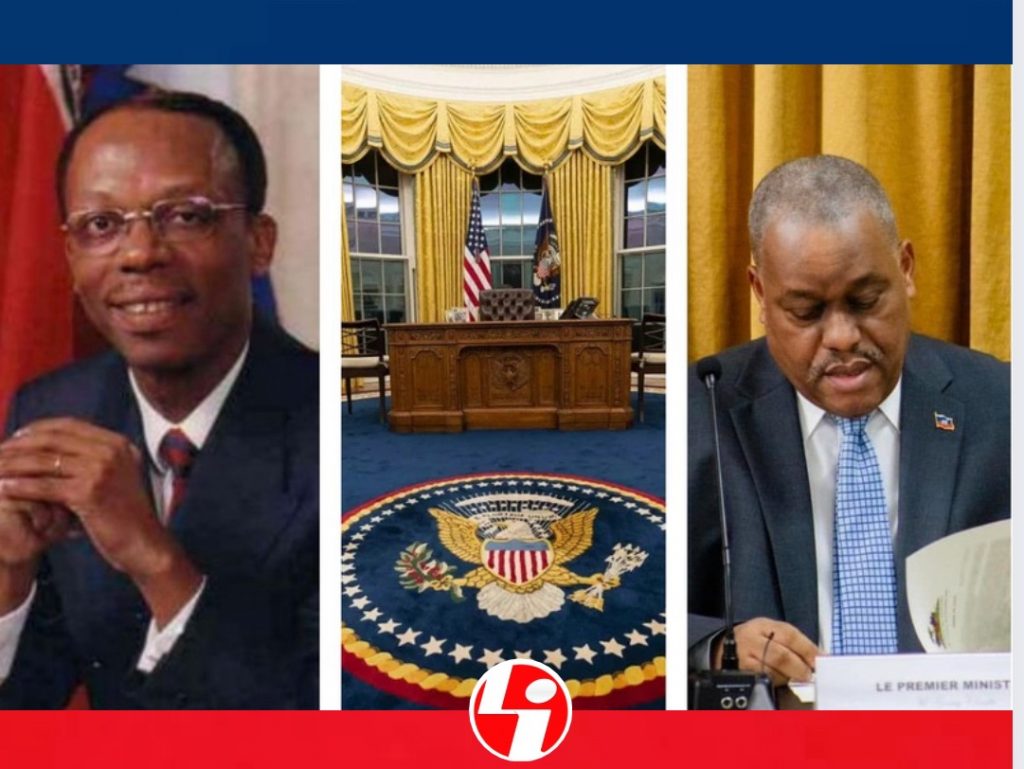
By Blaise Robelto Flanky
On November 11, 2024, Haiti experienced a political event that may well mark a new era in its history. Two decades after his overthrow in the 2004 coup, Jean-Bertrand Aristide appears to be orchestrating a symbolic and strategic comeback. The Presidential Transition Council (PTC), comprised of nine members—many of whom are loyalists of Aristide—removed Prime Minister Garry Conille and replaced him with Alix Didier Fils-Aimé, a figure close to the INITE party and an ally of former president René Préval, who is also linked to the Lavalas movement.
This situation represents a turning point for power dynamics in Haiti, where international influence and pressure have often steered political events. Aristide’s reemergence and the influence of his loyalists raise fresh questions about foreign interference in the country and the political and economic agendas underlying repeated power shifts.
The “Return” of Jean-Bertrand Aristide: context and significance
Aristide, leader of the Lavalas movement and former president who was deposed in two coups (in 1991 and then in 2004), now appears to be asserting himself behind the scenes. This recent political reshuffling seems like a long-awaited response to his turbulent past, marked by his strained relations with the United States. Since his forced exile in 2004, Aristide has largely stayed out of the public eye, though his loyalists have remained active. Today, the PTC—composed in large part of “pro-Aristide” figures—clearly intends to enact change, disregarding current constitutional norms.
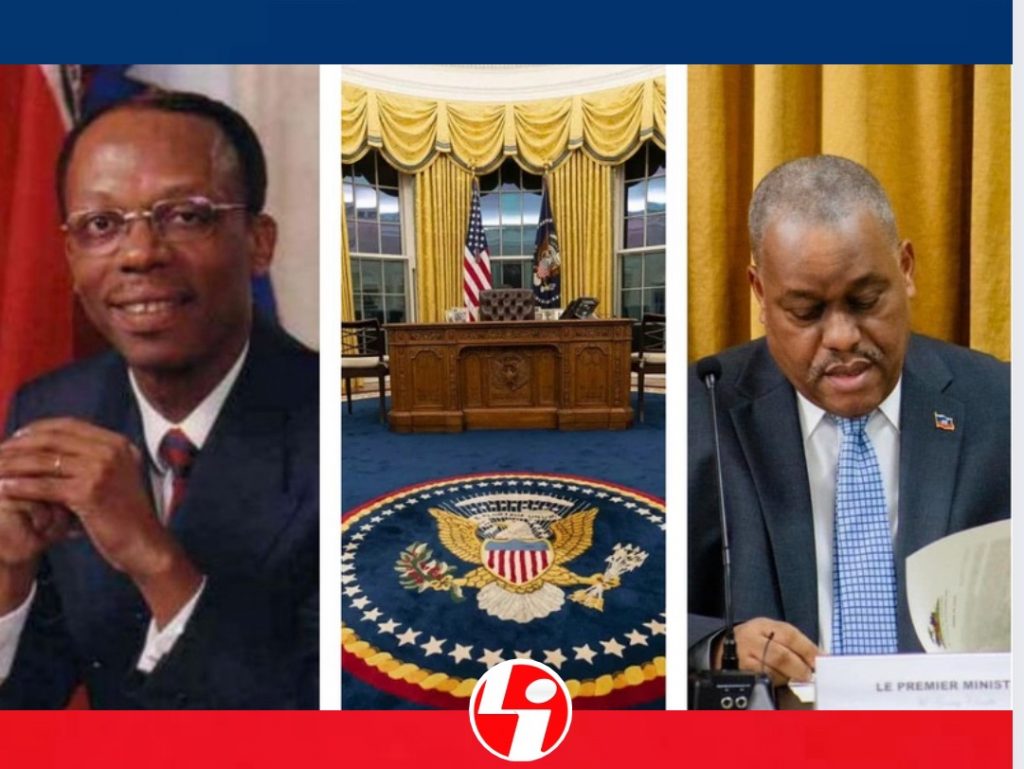
This situation especially resonates with Haiti’s younger generation, most of whom were born after Aristide’s years in power. These young people have few direct memories of the “chimères” (or “Chimè Lavalas”), the infamous militias associated with the Lavalas regime, which symbolized the harsh control over opposition at that time. The reemergence of a political network associated with Aristide brings old tensions and unresolved grievances back to the surface, in a country still searching for stability.
The United States and the West: Ever-present actors in haitian power transitions
U.S. influence and international actors’ involvement in Haitian affairs is nothing new. From the first American interventions in the early 20th century to recent events, political transitions in Haiti are often accompanied by external intervention or pressure. The recent dismissal of Garry Conille, who had been backed by international powers, suggests that the international community could be involved in this third power shift. The silence from the U.S. and other nations regarding current events could even be interpreted as tacit approval of Aristide and his allies’ return.
Aristide, a former president who remains both popular and controversial, represents for some a symbol of resistance to foreign influence, but for others, a painful past of violence and corruption. Some observers believe that the West might want to “reward” Aristide for his silence and discretion over the past twenty years. This could represent a form of tacit compromise, a way for the international community to indirectly manage Haiti’s transition while acknowledging the demands of a significant historical figure in the country.
The presidential transition council (PTC): toward constitutional reform?
The appointment of Alix Didier Fils-Aimé as Prime Minister now offers the PTC near-total control over political decisions in Haiti. Analysts expect to see a new wave of reforms, some of which could even include a constitutional referendum. Such a referendum, conducted under the governance of the PTC, might potentially include amendments allowing Aristide to legally run for a third presidential term.
For example, one could imagine the introduction of a specific article—“Article 225”—stating that any president forced to leave office under international pressure could run again to “complete” their interrupted term. Such an amendment, though controversial, would provide Aristide with a legal means to run for office again and might even be supported by the PTC, solidifying the return of his influence.
Haiti: A nation trapped in political instability
The recurrence of political crises and power shifts in Haiti raises concerns about the nation’s future. Some observers believe that this chronic instability seems intentional and part of an “international plan” to keep Haiti in a cycle of perpetual instability. This perspective aligns with a widely held view that political instability and growing poverty foster Haiti’s dependency on foreign aid, opening the door to resource exploitation and sustained foreign influence.
In short, this “return” of Aristide and his associates on the Haitian political scene seems to symbolize a form of revenge, perhaps even an open challenge to American and Western influence in the region. However, this new dynamic also raises questions about the sustainability of political peace and Haiti’s ability to manage its own transitions without foreign interference. While the future of the country remains uncertain, one thing is clear: Haiti’s stability will largely depend on its ability to establish governance that is both truly autonomous and respectful of its Constitution.
À propos de l’auteur